

Buying a first home in Overland Park involves more than saving for a down payment and estimating a monthly mortgage payment. From property taxes and insurance to repairs, utilities, and closing costs, a clear plan can turn common surprises into manageable line items. Here are seven expenses worth building into your budget before you begin touring homes.
Look Beyond the List Price
A home search can start with an exciting number on a listing, but the most useful budget is the one that accounts for the full cost of ownership. Overland Park offers a broad range of housing choices, from established homes with mature landscaping to newer construction and townhome communities. Each can come with a different mix of taxes, maintenance needs, insurance considerations, and association expenses.
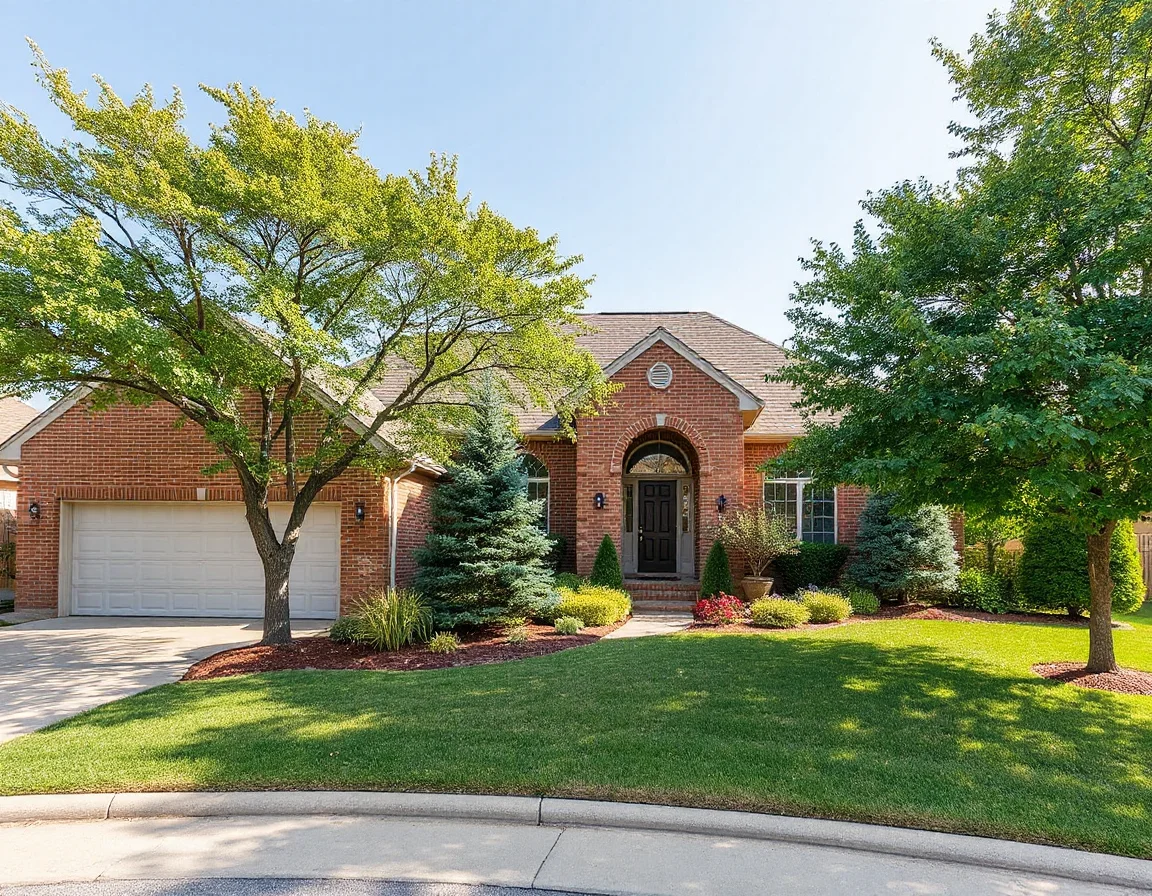
Christopher Webb and Urban Cool Homes help buyers approach the process with local context, but the strongest starting point is still a personal spending plan. Review your income, existing obligations, cash reserves, and the monthly payment range that leaves room for everyday life. Then add the costs below before deciding what purchase price feels comfortable.
None of these items automatically makes a property more or less appealing. They simply create a more complete picture. A home with a lower list price may need a near-term roof repair, while a newer property may carry higher association dues or a different property-tax assessment. Comparing the whole picture makes it easier to choose with confidence.
1. Closing Costs Can Be a Meaningful Upfront Expense
Down payment funds get most of the attention, but closing costs deserve their own savings target. Depending on the loan program and transaction details, buyers may see lender charges, appraisal fees, title-related expenses, prepaid insurance, recording fees, and other settlement items. The final total varies, so it is wise to request a loan estimate early and ask questions about each line item.
Some costs may be paid at closing, while others may be collected in advance for an escrow account. Seller concessions can sometimes help offset permitted costs when they are part of a negotiated agreement, but they should not be assumed before an offer is written. Keeping separate funds for closing costs can protect the cash set aside for moving, immediate repairs, and reserves.
A down payment is only one part of the cash-to-close number. Ask for an updated estimate before writing an offer so your budget reflects the property, loan type, and expected closing timeline.
2. Property Taxes May Change Over Time
Property taxes are a recurring cost, and they can be especially confusing for first-time buyers because the amount shown in a listing is based on the property’s prior assessment and ownership history. In Johnson County, an assessment and tax bill can change after a sale, after improvements, or as local tax rates and valuations are updated. The prior owner’s tax amount is useful background, not a permanent promise.
For many loans, taxes are included in the monthly mortgage payment through escrow. That arrangement can make monthly planning simpler, but escrow payments may be reviewed and adjusted after closing. Buyers should ask their lender how taxes are being estimated and leave some flexibility in the monthly budget rather than treating the first payment quote as fixed forever.
A practical approach is to look at recent tax information, understand the home’s assessed value, and discuss possible scenarios with your lender or qualified tax professional. This is particularly helpful when comparing homes in different parts of Overland Park, where property values and assessments can differ substantially.
3. Homeowners Insurance Is More Than a Checkbox
Insurance is required by most mortgage lenders, but the premium can vary based on the home’s age, construction, roof condition, deductible, claims history, and coverage choices. Kansas weather is another important consideration. Thunderstorms, wind, hail, and changing seasonal conditions make it important to understand what a policy covers, what exclusions may apply, and how the deductible works.
Obtain insurance quotes while you are still in the inspection and financing period, not just days before closing. This gives you time to compare policies and ask about replacement-cost coverage, roof provisions, personal-property coverage, and optional endorsements. A lower premium may come with a higher deductible or a different level of protection, so price is only one part of the comparison.
It is also useful to revisit the policy after making improvements. Renovating a kitchen, finishing a basement, or replacing major systems can affect the coverage you need. Keeping photos, invoices, and a basic inventory of belongings can make future updates and claims discussions more straightforward.
4. Maintenance Begins the Day You Receive the Keys
Even a carefully maintained home needs ongoing attention. Filters need changing, gutters need cleaning, landscaping needs seasonal care, and appliances eventually reach the end of their useful life. A home inspection can identify visible conditions and help buyers prioritize next steps, but it is not a guarantee that no future repair will arise.

Instead of trying to predict every expense, build a repair reserve. Many owners set aside a regular monthly amount for maintenance and larger replacements. The right figure depends on the home’s age, size, condition, systems, and features. A property with a large yard, deck, older mechanical equipment, or extensive exterior materials may call for a different reserve than a recently completed townhome.
During inspections, focus on the major systems first: roof, foundation, drainage, electrical panel, plumbing, heating and cooling, windows, and appliances. Ask the inspector which items need immediate attention, which should be monitored, and which could be anticipated over the next few years. That timeline turns an intimidating report into an actionable ownership plan.
Inspection findings are most useful when converted into a schedule: address health or safety concerns promptly, budget for near-term repairs, and reserve for longer-term replacements instead of treating every note as an emergency.
5. HOA Dues May Cover More—or Less—Than Expected
Condominiums, townhomes, and some single-family neighborhoods may have homeowners association dues. Those dues can support services such as exterior maintenance, landscaping, snow removal, amenities, insurance for common areas, or reserve funding. What is included varies widely from one community to another, so the monthly amount alone does not tell the whole story.
Request the association documents and review the budget, rules, current dues, reserve information, and any known or planned assessments. A well-organized document review can reveal whether the association is planning a major project, whether there are rental restrictions, and how exterior responsibilities are divided between the owner and association. Buyers should also factor dues into their lender qualification and personal monthly budget.
Association living can simplify certain maintenance tasks, but it also comes with shared financial decisions and established guidelines. Understanding those details before submitting an offer helps prevent a surprise after closing.
6. Utilities and Seasonal Costs Can Shift Your Monthly Total
Utility costs are easy to underestimate when moving from a rental or a smaller space into a house. Electricity, natural gas, water, sewer, trash service, internet, and seasonal lawn care can all affect the monthly picture. Heating and cooling needs may change with the home’s square footage, insulation, window condition, thermostat habits, and the age and efficiency of mechanical systems.
When possible, ask about typical utility use, while recognizing that prior usage reflects the previous occupant’s routines and may not match yours. During a showing, note the condition of windows and doors, ceiling fans, attic access, exterior shade, irrigation systems, and heating and cooling equipment. These details can help you understand where future operating costs may come from.
Small upgrades can also make a difference over time. Programmable thermostats, weatherstripping, efficient lighting, routine HVAC service, and attentive water use are practical ways to manage ownership costs without waiting for a major renovation.
7. Moving, Furnishing, and Immediate Projects Add Up Quickly
The first month in a home often includes expenses that never appear on a lender’s worksheet: moving supplies, truck rental or movers, window coverings, paint, locks, cleaning supplies, tools, lawn equipment, and furniture that fits the new layout. A property may be move-in ready and still inspire a list of updates once you begin living in the space.
Prioritize projects in three groups: necessary before move-in, useful within the first year, and optional improvements for later. That simple system can keep a new-home budget from being overwhelmed by a long wish list. If the flooring is functional, for example, it may be possible to live with it while saving for a future update that better matches your goals.
Buying a first home is not about eliminating every surprise. It is about leaving room for them. With a clear cash-to-close estimate, realistic monthly ownership costs, and a reserve for the unexpected, buyers can focus on evaluating homes rather than reacting to every new expense. When you are ready to compare properties and costs across the metro, Urban Cool Homes can help you begin with a practical local conversation.