

A move from one Leawood home to another can be a meaningful lifestyle and financial decision—not simply a bigger price tag. The useful question is whether the added space, location preferences, condition, and long-term flexibility are worth the change in monthly cost, cash to close, and transaction expenses. This guide breaks down the math buyers and sellers can use when considering a home upgrade in the $500,000–$800,000 range.
Start With the Equity You Can Actually Use
For many move-up buyers, the first number is not the price of the next home. It is the estimated net proceeds from the current one. A homeowner may have substantial equity on paper, but a realistic upgrade plan accounts for the remaining mortgage payoff, preparation costs, brokerage and closing expenses, any seller concessions, and the cash reserve they want to keep after moving.
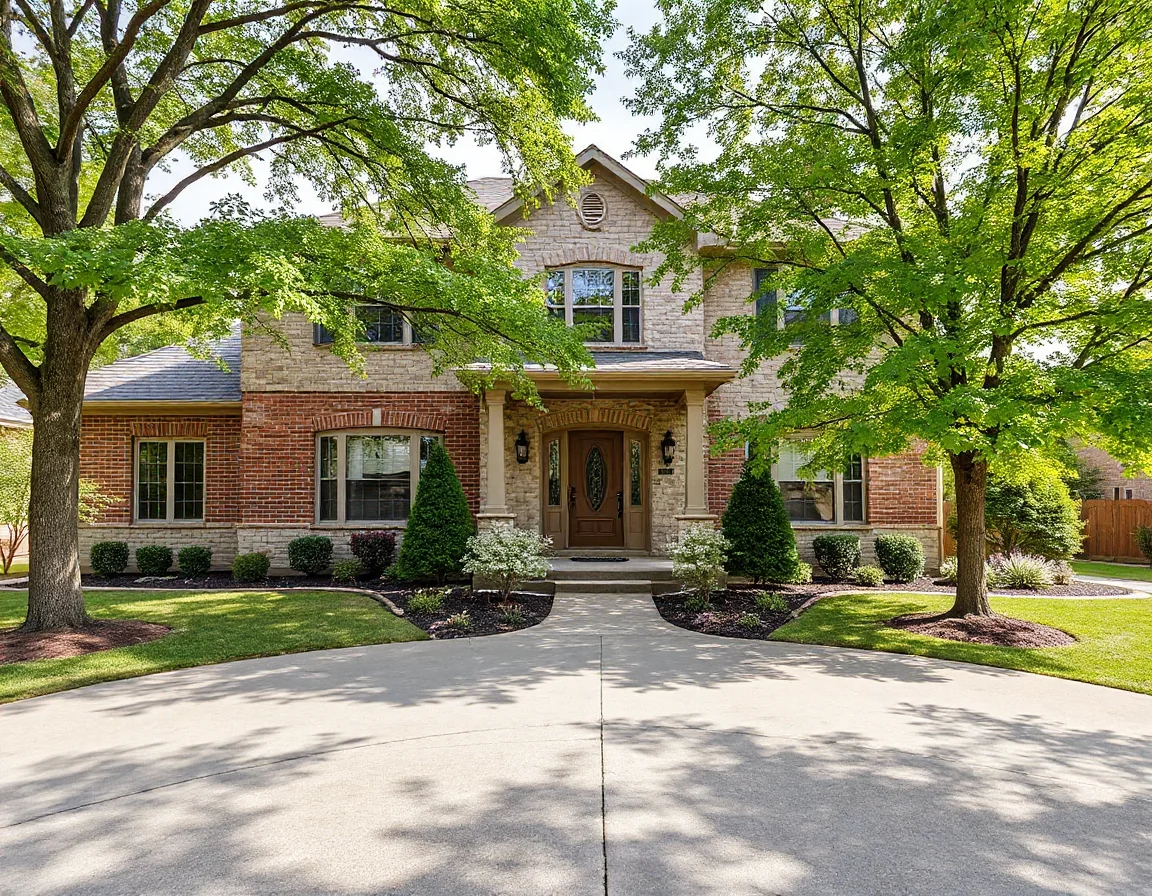
Consider a simplified example: a current home sells for $575,000 and has a remaining loan balance of $240,000. Before deciding that $335,000 is available for the next purchase, subtract estimated selling costs and any repairs or staging investments. If those items total $45,000, the estimated proceeds are closer to $290,000. That can still be a strong down payment, but it is a more useful planning number than the gross equity figure.
Next, decide how much of those proceeds should go toward the next home. Some buyers apply nearly all of it to reduce the new loan. Others reserve funds for moving, furnishings, improvements, emergency savings, or a possible overlap between homes. There is no universal right answer; the strongest plan balances a comfortable payment with enough liquidity after closing.
A move-up budget is most reliable when it includes both sides of the move: estimated net proceeds from the current home and the full cash requirement for the next purchase.
In Leawood, homes in this range can vary significantly by lot size, renovation level, age, homeowners association structure, and proximity to major corridors or daily amenities. A listing price alone does not tell the whole story. Comparing recent closed sales, active competition, property taxes, and likely maintenance needs helps turn a broad price range into a practical target.
Compare Payments, Not Just Purchase Prices
A move from a $500,000 purchase to an $800,000 purchase is a $300,000 difference in price, but the monthly impact depends on several moving pieces. The down payment, interest rate, loan term, property taxes, homeowners insurance, and any association dues all shape the true housing payment. Buyers who focus only on the mortgage principal can underestimate the ongoing cost of an upgrade.
For example, two buyers could purchase the same $700,000 home yet have very different payments. One may bring substantial proceeds from a prior sale and borrow $420,000. Another may make a smaller down payment and borrow $560,000. Their loan payments, mortgage insurance requirements, and cash reserves after closing can look entirely different, even though the home price is identical.
A helpful exercise is to compare three scenarios rather than one. First, model a comfortable purchase price. Then model a target price that includes your preferred features. Finally, model a stretch price that would require tradeoffs elsewhere in the budget. Reviewing all three with a lender can clarify whether an upgrade is financially workable now or whether waiting, saving, or adjusting the search criteria would create a better outcome.
- Mortgage payment: based on loan amount, interest rate, and repayment term.
- Property taxes: often change from one address to another and should be reviewed by property, not assumed.
- Insurance: may differ based on replacement cost, deductible choices, and home features.
- Association dues: can affect monthly carrying costs and should be evaluated alongside the association documents.
- Maintenance: larger homes, mature landscaping, pools, roofs, and older mechanical systems may require additional planning.
It is also wise to stress-test the payment. Ask what happens if the new home needs an appliance replacement, exterior work, or a desired update during the first year. A payment that works only when every month is perfectly predictable can make a purchase feel tighter than expected. Leaving room for ownership costs helps preserve the enjoyment of the new space.
Define What the Upgrade Needs to Deliver
The best move-up decisions are anchored in clear goals. More square footage is one possible goal, but it is rarely the only one. Buyers may be looking for a different floor plan, a dedicated workspace, a renovated kitchen, additional storage, a larger outdoor area, fewer immediate projects, or a location that better fits everyday routines. Naming the priorities early makes it easier to distinguish a genuine upgrade from a more expensive version of the same compromises.
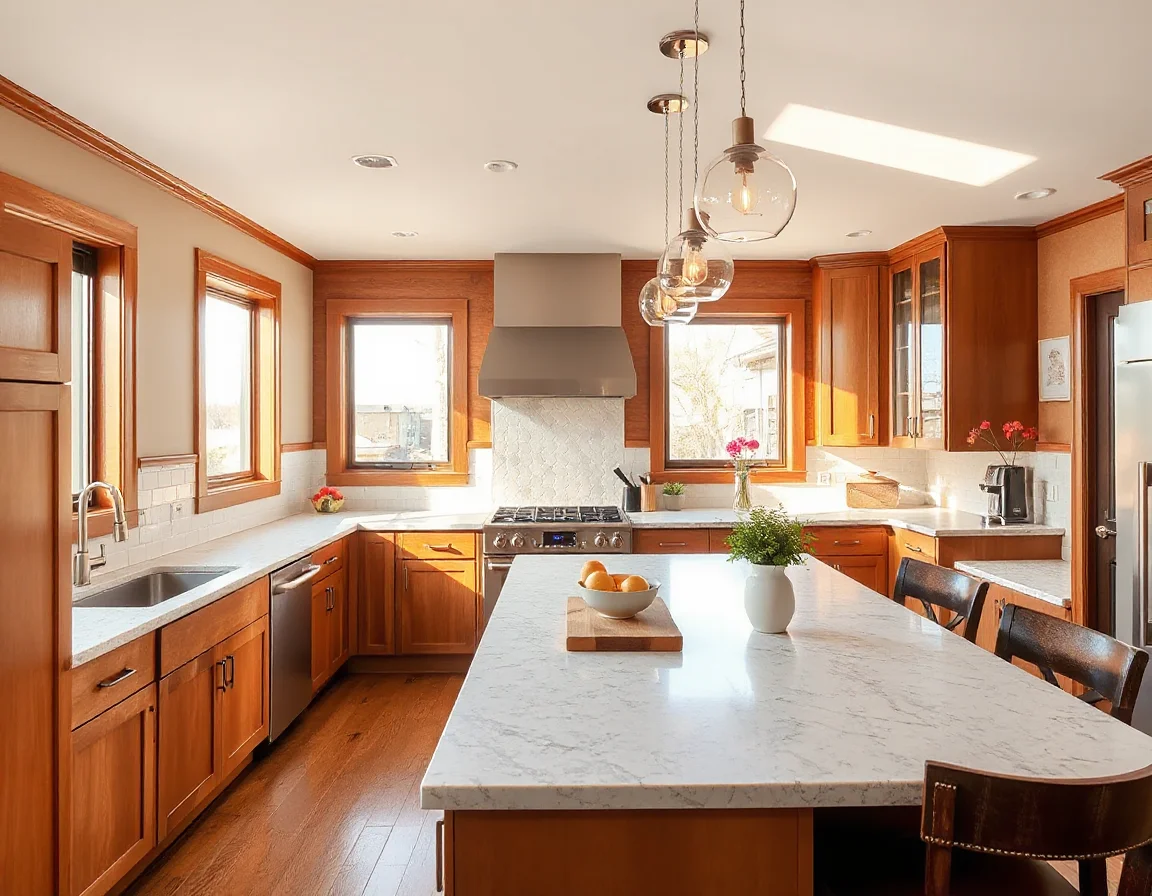
Build a short list with three columns: must-have, strongly preferred, and optional. Must-haves might include a minimum bedroom count, a particular layout feature, or a maximum commute time. Strongly preferred items could include an updated primary bath, a finished lower level, or a specific outdoor setup. Optional features are the details that would be enjoyable but should not push the purchase beyond a comfortable financial range.
This process is especially useful in the $500,000–$800,000 segment because homes can present different value propositions. One property may offer more finished space but need updates. Another may have a renovated interior but a smaller lot. A third may be turnkey yet carry higher taxes or association dues. The right comparison is not “which home has more features?” but “which home best supports the priorities we are paying for?”
Condition deserves close attention. Cosmetic projects can be planned over time, while roofing, drainage, foundation, HVAC, electrical, or plumbing concerns may affect the total cost of ownership much sooner. Inspection findings should be read as decision-making information, not merely as a list of items to negotiate. Understanding the likely timing and cost of major work can protect the upgrade budget from surprises.
Factor in Timing and the Two-Transaction Challenge
Most move-up purchases involve two related transactions: selling one home and buying another. The timing strategy can affect the negotiating position, financing options, stress level, and amount of temporary housing or storage needed. In a balanced plan, buyers and sellers discuss these decisions before a dream home appears, not after.
Selling first can provide a firm understanding of available proceeds and reduce the risk of carrying two mortgages. Buying first may offer more flexibility when the right property becomes available, but it can require a stronger cash position, bridge financing, or a carefully structured sale contingency. Each approach has advantages and tradeoffs, and the appropriate route depends on the homeowner’s finances, local inventory, and tolerance for uncertainty.
Preparation matters on the selling side as well. Thoughtful repairs, decluttering, cleaning, photography, and a pricing strategy based on current competing homes can influence both the sale timeline and the net proceeds available for the next purchase. A pre-listing review helps identify which updates are likely to improve presentation and which may not justify their cost.
Because market conditions change, it is useful to revisit the numbers whenever there is a meaningful shift in rates, available inventory, or the expected value of the current home. A move-up plan that was comfortable six months ago may look different today, and the reverse can also be true. Current data should guide the final decision rather than a broad market headline.
Make the Decision With a Full-Picture Budget
A $500,000–$800,000 Leawood home upgrade makes sense when the next home delivers meaningful value, the monthly payment fits comfortably within the broader budget, and the transaction leaves enough cash for closing, moving, maintenance, and everyday flexibility. It may make less sense when the payment depends on exhausting reserves, overlooking repair needs, or accepting a layout that does not materially improve daily life.
Clarity is the real advantage. Start with a current-home valuation, a lender conversation, estimated selling costs, and a written list of goals for the next property. Christopher Webb and Urban Cool Homes can help homeowners evaluate local pricing, compare options across the Kansas City metro, and build a practical path from the current address to the next one. A well-planned move-up purchase is not about chasing a number—it is about choosing a home that works for the way you want to live while keeping the financial picture sustainable.