
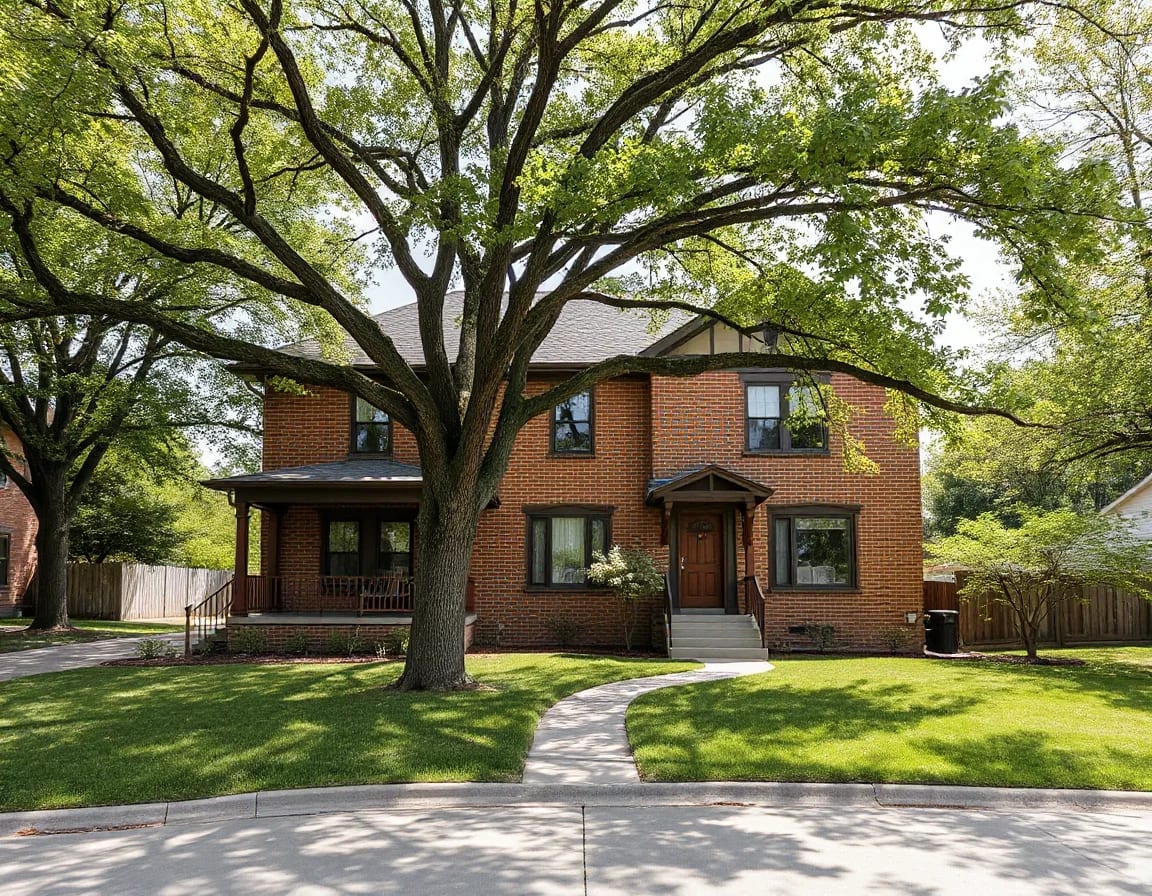
Kansas City, Kansas homes can offer character, useful square footage, and varied price points, but the true cost of ownership is shaped by more than the listing price. Hillside lots, older basements, drainage patterns, and original building systems all deserve a close look before an offer. A thoughtful inspection strategy can help buyers budget for the home they want with fewer surprises after closing.
The Terrain Matters Before You Reach the Front Door
Kansas City, Kansas is not a one-grade-fits-all market. Streets can rise, dip, and curve across ridgelines and valleys, and that changing terrain affects how rainwater moves around a property. A home at the bottom of a slope, beside a retaining wall, or on a sharply graded lot may have a very different maintenance profile from a similar home only a few blocks away.
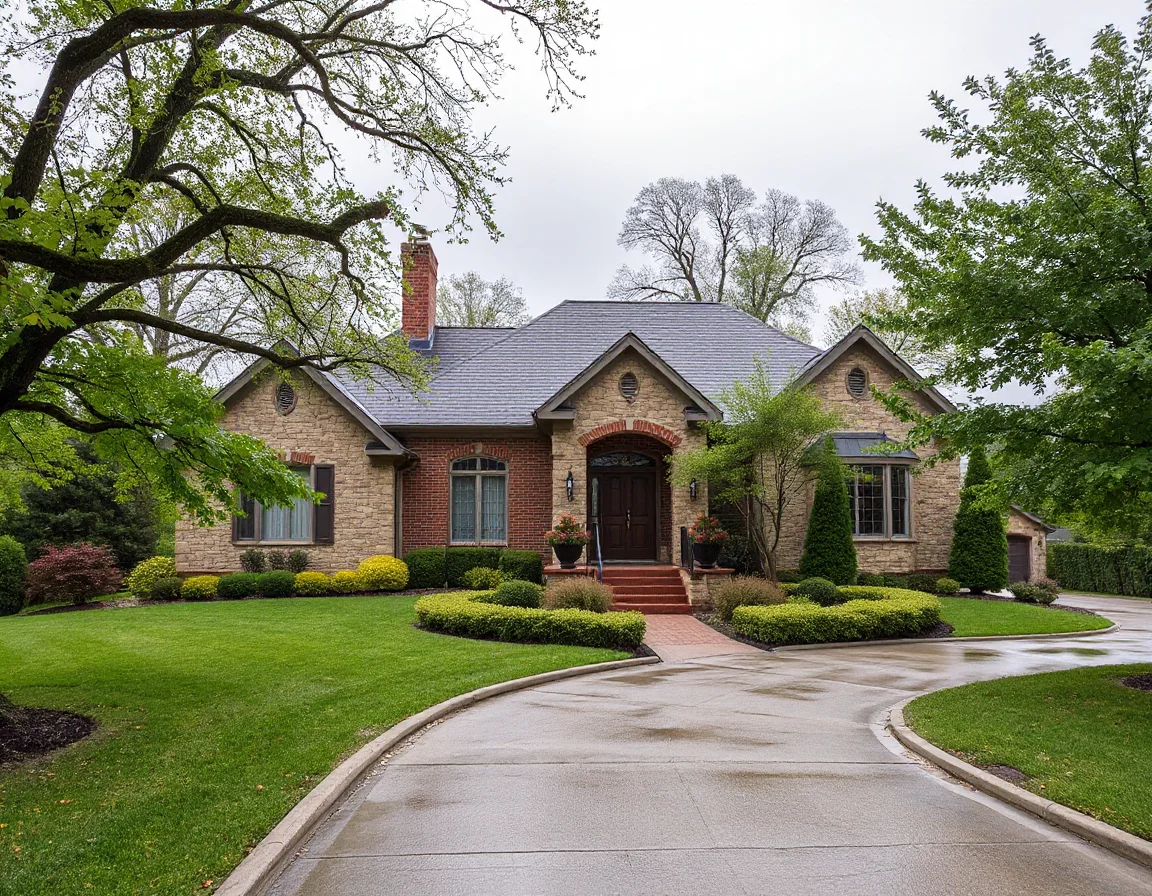
For buyers, the first walk around the exterior is more than curb-appeal time. Look for soil that slopes away from the foundation, gutters that carry water well beyond the house, downspouts that are securely connected, and grading that does not direct runoff toward basement windows or exterior doors. Ponding water, eroded mulch, cracked pavement, and mossy areas can be useful clues that a drainage conversation is worth having.
Hillside properties can also include retaining walls, terraced gardens, long driveways, and stairs between the street and entry. These features may create an appealing setting, but they require periodic upkeep. Retaining walls should be checked for leaning, bulging, loose material, failing drainage outlets, or movement at the surrounding soil. Driveways and walkways may need sealing, patching, or replacement over time, especially where freeze-thaw cycles and runoff have widened cracks.
On a sloped lot, water management is often the most important ownership-cost question: ask where roof runoff goes, how the yard drains during heavy rain, and whether any drainage work has been completed recently.
None of these features automatically makes a property a poor choice. They simply make due diligence more important. A qualified home inspector can identify visible concerns, while a drainage contractor, structural professional, or foundation specialist may be appropriate when the inspection points to a more detailed issue. It is wise to reserve part of a future maintenance budget for exterior improvements rather than treating drainage as an afterthought.
Basements Add Space—and a Maintenance Checklist
Basements are a familiar part of the Kansas City, Kansas housing landscape, particularly in established neighborhoods. They can provide storage, utility space, finished rooms, workshops, or flexible areas for everyday use. They also sit at the intersection of soil, moisture, plumbing, electrical systems, and foundation walls, which means condition matters as much as square footage.
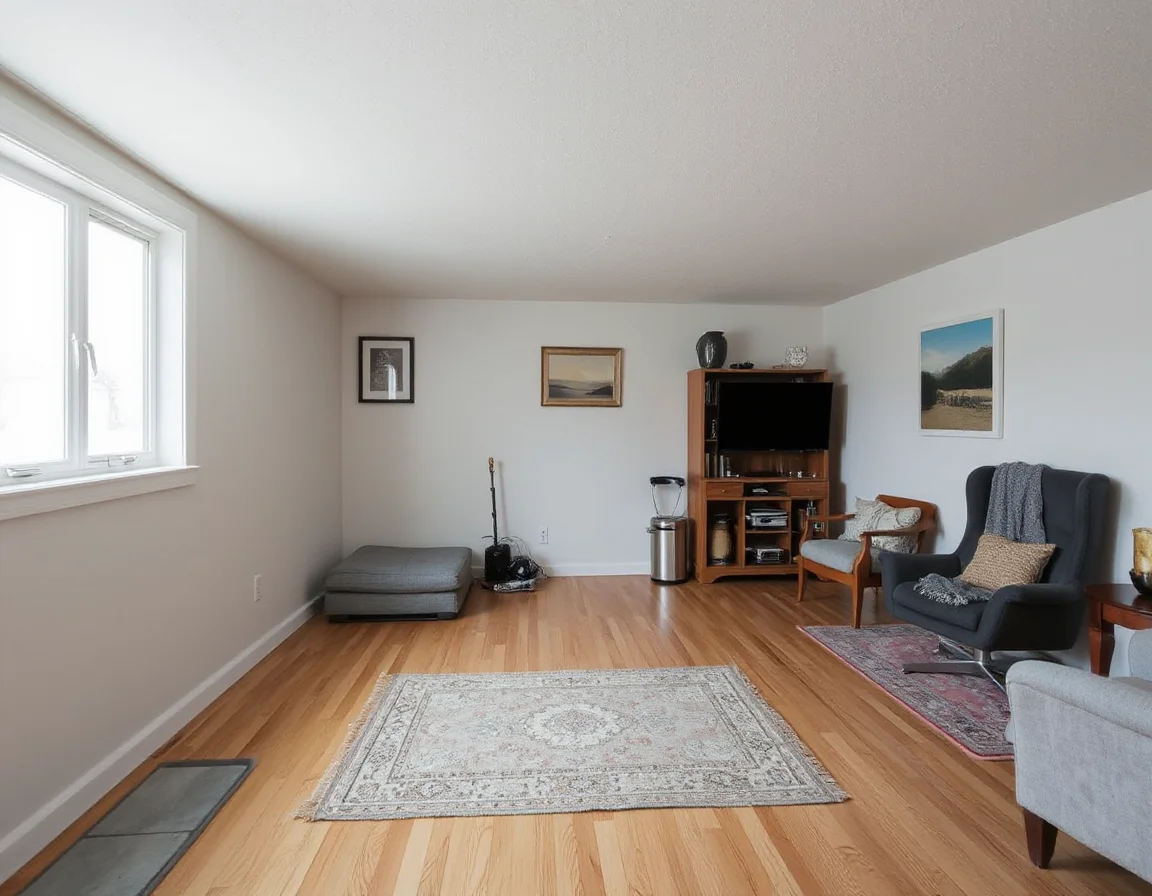
During a showing, take time to notice the practical details. Are there signs of past moisture, such as staining at the base of walls, a musty odor, peeling paint, efflorescence, or recently replaced flooring in a finished lower level? Is there a sump pump, and if so, is its discharge routed away from the foundation? Are basement windows, window wells, and exterior stairwells clear and maintained? These observations do not replace an inspection, but they can help buyers ask more focused questions.
Foundation cracks deserve context rather than instant alarm. Hairline cracks in older concrete can be common, while wider, horizontal, stair-step, or actively changing cracks may call for additional evaluation. The inspection period is the time to distinguish a cosmetic repair from a condition that could affect water control, structural performance, or future resale planning. Sellers’ disclosures, invoices for prior work, transferable warranties, and photos of completed repairs can all add useful history.
Finished basements should also be evaluated for comfort and systems. Look for adequate ceiling height, working egress where applicable, dependable heating and cooling, accessible shutoff valves, and sensible placement of dehumidifiers or mechanical equipment. A well-kept basement can be a valuable part of a home; a neglected one may need a plan for waterproofing, ventilation, electrical updates, or surface repairs.
A dry-looking basement on a sunny day is only one data point. Inspection notes, drainage conditions, repair records, and the age of the sump system create a much clearer picture of long-term costs.
Buyers can also plan for routine prevention after closing. Keeping gutters clear, extending downspouts, checking sump pumps before storm season, monitoring humidity, and maintaining positive grading are relatively modest tasks that can protect a much larger investment. For a home with known water-management needs, building a maintenance calendar is often more useful than waiting for an emergency.
Older Homes Reward Careful Systems Review
Many Kansas City, Kansas properties have architectural detail and durable materials that are difficult to reproduce today: wood floors, masonry exteriors, deep porches, built-ins, and established landscaping. Age can be an advantage when a home has been consistently maintained, but it also means buyers should look beyond fresh paint and staged rooms to understand the major systems that support daily ownership.
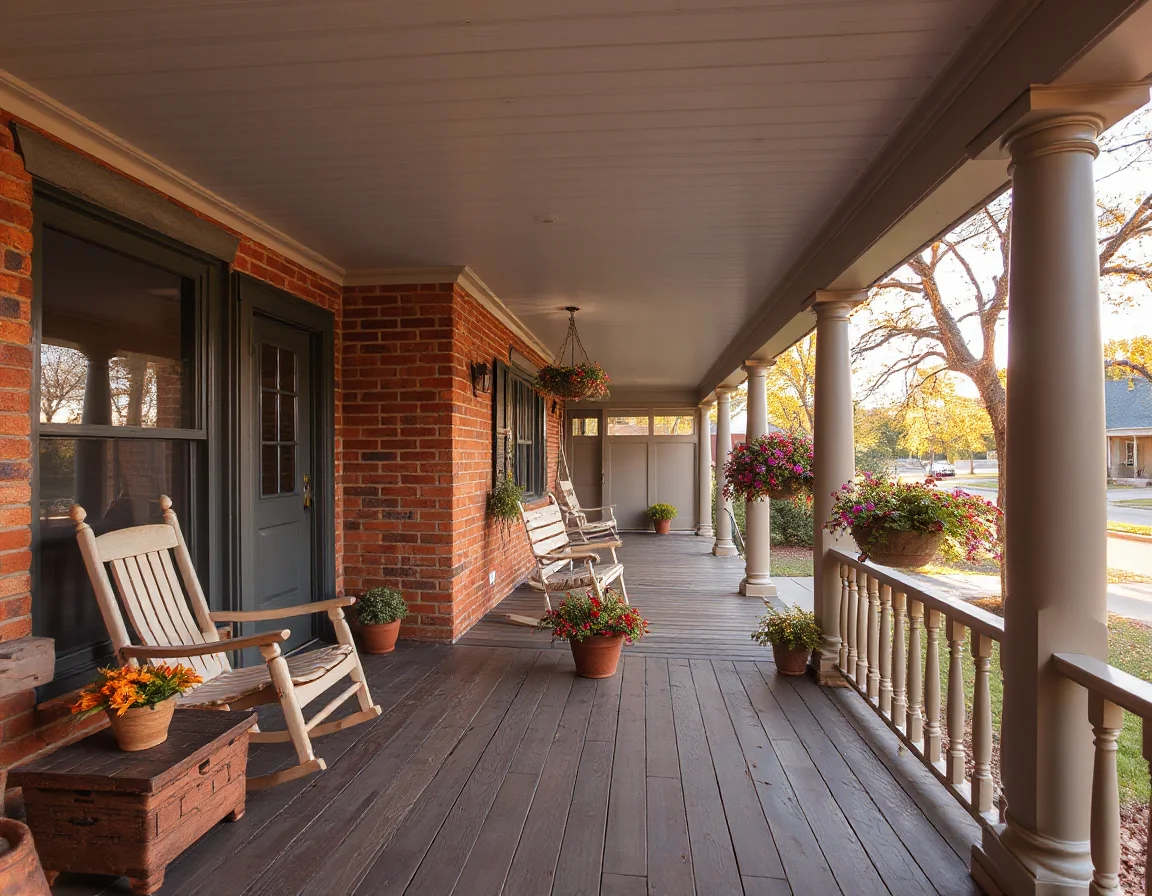
Start with the roof, chimney, gutters, and exterior masonry. Roof age and installation quality influence both near-term budgeting and insurance conversations. Chimneys may need tuckpointing, flashing repairs, or cap maintenance. Brick and stone surfaces can be long-lasting, but inappropriate sealants or mortar repairs can create issues over time. A professional inspection can help identify whether visible wear is routine maintenance or a sign of water intrusion or deferred work.
Inside, electrical panels, plumbing supply lines, drain lines, water heaters, furnaces, air-conditioning equipment, windows, and insulation all contribute to the ownership equation. Older homes may contain a mix of original components and later upgrades. That is not inherently negative; it simply makes documentation especially valuable. Ask when major systems were installed, whether permits were obtained when required, and which improvements are still under warranty.
Energy costs can vary widely depending on insulation, air sealing, window condition, HVAC efficiency, and the way the home is used. Rather than assuming an older property will be expensive to operate, request available utility history and review it alongside the home’s condition. A seasonal maintenance budget for furnace servicing, gutter cleaning, tree trimming, caulking, and small repairs can reduce the chance that manageable work becomes a larger project.
Build a Budget That Includes the First Few Years
A practical purchase budget includes more than down payment, loan costs, and the monthly mortgage. Buyers should also estimate property taxes, insurance, utilities, routine maintenance, and a reserve for repairs that may arise after closing. For a home with a basement, sloped site, or older systems, that reserve becomes especially important because several modest needs can arrive in the same year.
One useful approach is to create three lists during the inspection period: immediate safety or water-management items, improvements to complete within the first year, and projects that can be planned over several years. This format helps separate true priorities from cosmetic preferences. It can also make conversations with contractors more productive because each estimate is connected to a clear scope and timeline.
Christopher Webb and Urban Cool Homes help buyers and sellers navigate Kansas City metro decisions with local perspective and direct communication. Whether you are comparing two homes with very different ages or weighing a hillside property against a flatter lot, the goal is not to find a flawless house. It is to understand the property clearly, plan confidently, and choose a home whose ongoing care fits your resources and priorities.